If you've ever looked at Pilates and yoga and thought, "Aren't these basically the same thing?" — you are definitely not alone. The difference between Pilates and yoga is real, though, and if you're a beginner it matters which one you meet first.
They can look very similar from the outside. Both are low-impact, involve controlled movements, and can promote both a stronger, calmer body and mind.
But once you look a little closer, you'll start to see that they each have their own personality, purpose, and feeling. The truth is, neither one is "better." It's a matter of choice, and the best choice depends on what your body needs, what your goals are, and even what kind of relationship you want to have with movement. Some people are drawn to the quiet, spiritual, inward nature of yoga. Others love the precise, core-focused, strengthening feel of Pilates.
Both have a lot of benefits.
What is yoga?
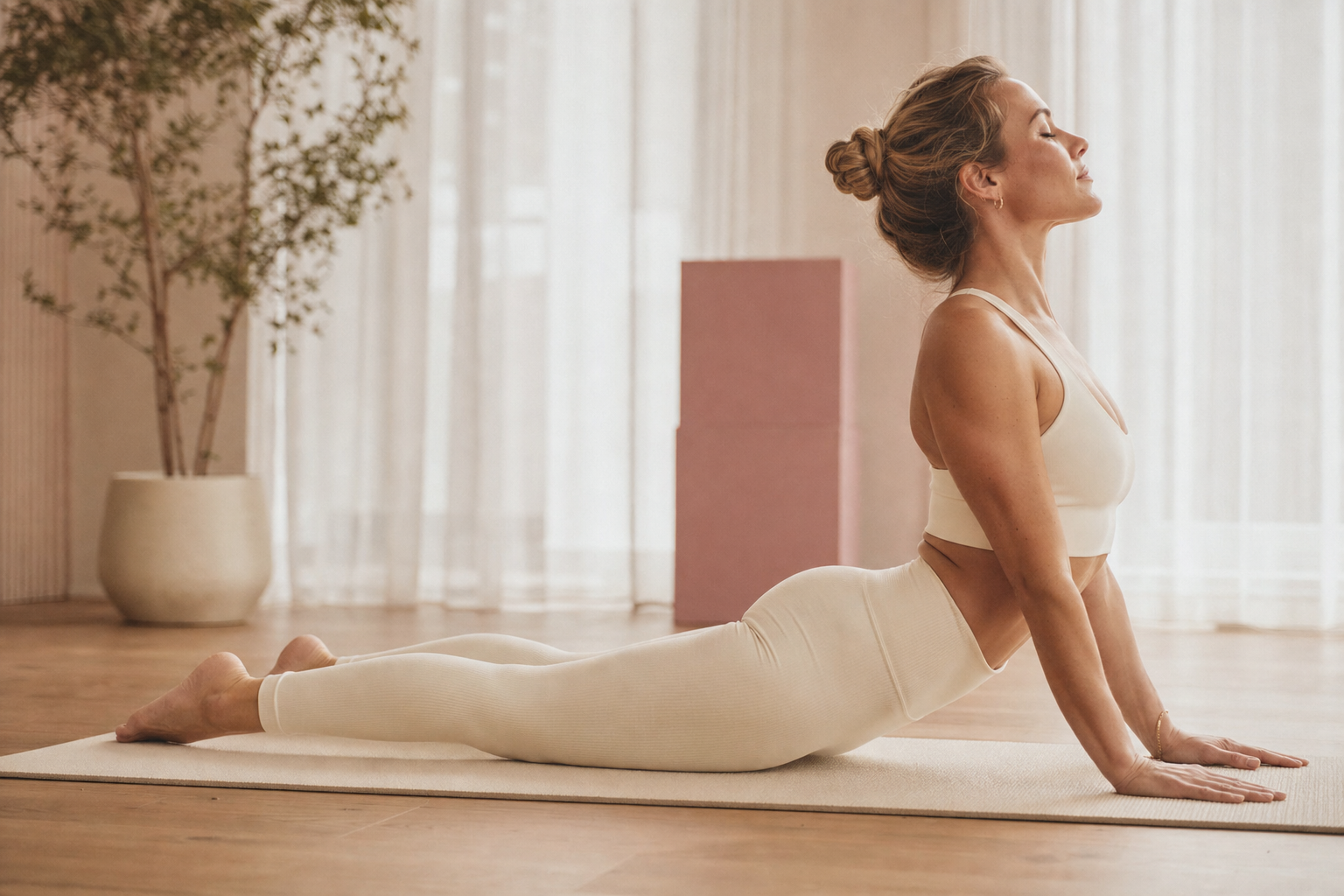
Yoga is an ancient practice that combines movement, breath, and mindfulness. While many people today think of yoga as stretching or exercise, it is actually much broader than that. At its heart, yoga is about connection: connection to the breath, the body, the mind, and sometimes something deeper and more spiritual.
A typical yoga class may include poses, called asanas, held for a few breaths or linked together in flowing sequences. Depending on the style, it may also include meditation, breathing exercises, and relaxation. Some yoga classes are slow and gentle, while others are active and physically challenging.
Yoga is often chosen by people who want more than a workout. It can be grounding, calming, centering, and emotionally restorative. For many, it becomes a practice they return to not just for flexibility or strength, but for peace.
What is Pilates?
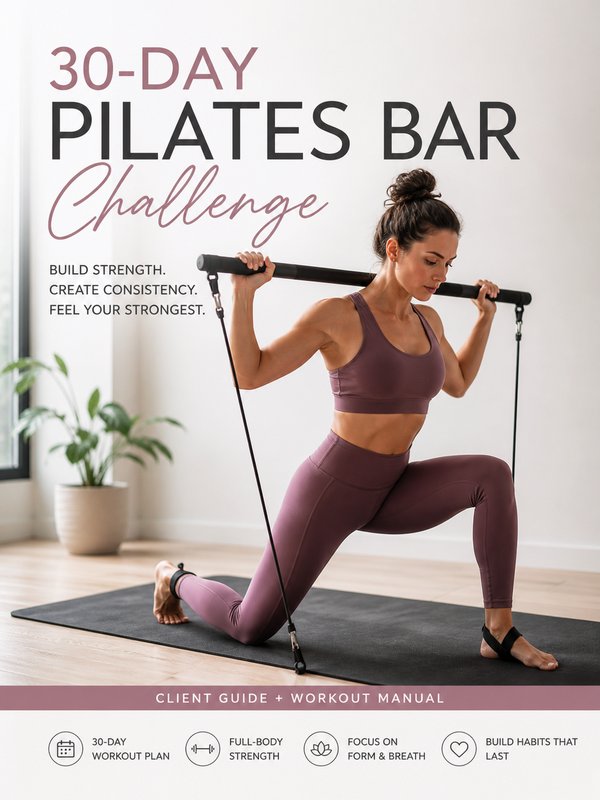
Pilates is a movement method created in the early 20th century by Joseph Pilates. It was originally designed to help improve strength, posture, alignment, and rehabilitation. While yoga often has a more holistic and spiritual foundation, Pilates is usually more structured and exercise-focused.
A Pilates workout typically emphasizes core strength, stability, control, balance, and precision. It often targets the deep muscles of the abdomen, back, hips, and pelvis. Pilates can be done on a mat or with special equipment like the reformer, which uses springs and resistance to challenge the body in a different way.
Pilates is especially loved by people who want to build strength without high-impact movement. It can also be helpful for posture, body awareness, and supporting everyday movement with more ease and control.
The key differences
Even though they overlap in some ways, yoga and Pilates are not the same thing. The biggest differences usually show up in purpose, style, and focus.
- Yoga tends to emphasize breath, flexibility, mindfulness, and inner awareness.
- Pilates tends to emphasize core strength, alignment, control, and muscular precision.
Yoga often includes longer holds, flowing sequences, and a more meditative pace. Pilates is often more repetitive, structured, and focused on building stability and strength through smaller, more exact movements.
Yoga may leave you feeling open, grounded, and emotionally soothed. Pilates may leave you feeling strong, lengthened, and deeply aware of your center. Both can be healing in their own way, but they reach you through different doors.
Which one builds more strength?
If your main goal is strength, Pilates usually has the edge, especially for core and postural muscles. It is designed to build stability and muscular control, which can make it feel very efficient and targeted.
That said, yoga also builds strength — just in a different way. Holding poses like plank, chair, warrior, or side plank can challenge the body deeply. The strength in yoga often feels more integrated with breath and balance, rather than isolated muscle work.
So the answer is not that one is strong and the other is soft. Both can be strong. They just build strength differently.
Which one helps you relax more?
For many people, yoga is the more naturally relaxing practice. The slower pace, breath awareness, and meditative quality can help calm the nervous system. Gentle yoga, restorative yoga, and yin yoga in particular can feel deeply soothing.
Pilates, on the other hand, can still be calming, but it usually feels more energizing and focused than restful. You may leave a Pilates class feeling centered and accomplished, but not always as emotionally softened as you might after yoga.
If what you need most is stillness, emotional release, or a sense of coming home to yourself, yoga may be the better fit. If what you need is clarity, structure, and a strong physical reset, Pilates might be exactly what your body is asking for.
Which one is better for flexibility?
Yoga is usually better known for flexibility, because many of its poses are designed to lengthen muscles and improve range of motion. Over time, regular yoga can help the body feel more open, mobile, and less stiff.
Pilates can also improve flexibility, but that is usually not its main focus. Instead, Pilates tends to support flexibility through strength and alignment, helping the body move with more control and less strain. If you want to become more flexible, yoga is often the more direct choice. But if you want flexibility supported by strength and stability, Pilates can be a beautiful complement.
Is Pilates or yoga better for beginners?
Both can be beginner-friendly, depending on the class and the instructor. A gentle yoga class may feel more intuitive if you are looking for a soft entry point into movement. A beginner Pilates class may feel easier if you prefer clear structure and step-by-step guidance.
If you are new to exercise or returning after a long break, yoga may feel more accessible emotionally, especially if you want something nurturing. If you like rules, precision, and knowing exactly what to do with your body, Pilates may feel more comfortable. The best beginner class is the one that helps you feel safe, supported, and encouraged rather than overwhelmed.
So — which is best?
The better choice depends on what you are really looking for.
Choose yoga if you want:
- More flexibility
- A calming or spiritual practice
- Breathwork and mindfulness
- Emotional grounding
- A slower, more reflective experience
Choose Pilates if you want:
- Stronger core muscles
- Better posture and alignment
- A structured workout
- Improved stability and control
- A low-impact but more strength-focused session
And if you are like many people, the answer may simply be both. Yoga and Pilates can complement each other beautifully. One can help you soften, while the other helps you strengthen. One can help you stretch, while the other helps you stabilize.
A gentle final thought
Sometimes the best movement practice is not the one that sounds most impressive or trendy. It is the one that helps you feel more like yourself when you are done. That may be the quiet, inward stillness of yoga. Or it may be the focused strength of Pilates. Or it may be a little of each, depending on what season of life you are in.
Your body is always giving you clues. The real question is not "Which one is better?" but "What do I need?"